Forgings vs. castings: which manufacturing process is right for your business?
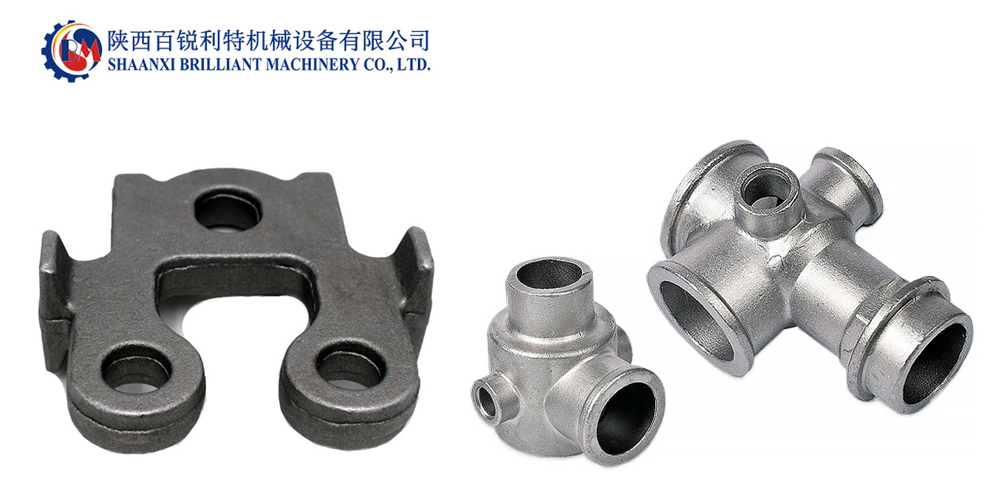
When it comes to manufacturing high-performance components, two processes stand out: Forging and casting. Both offer distinct advantages, but the choice between them depends on the specific requirements of the part, such as strength, complexity, material properties, and cost-effectiveness. At Shaanxi Brilliant Machinery Co., Ltd., we provide both forgings and castings, offering our customers expert guidance on which process best suits their needs.
In this comprehensive guide, we’ll compare the strengths of these two manufacturing techniques to help you determine the best solution for your business.
What Is Forging?
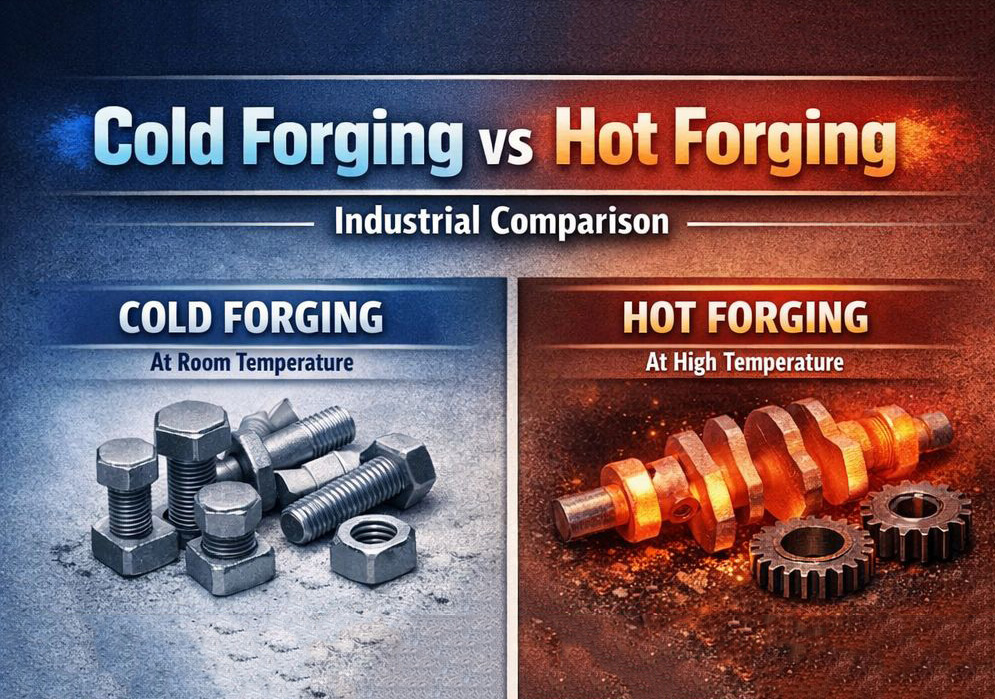
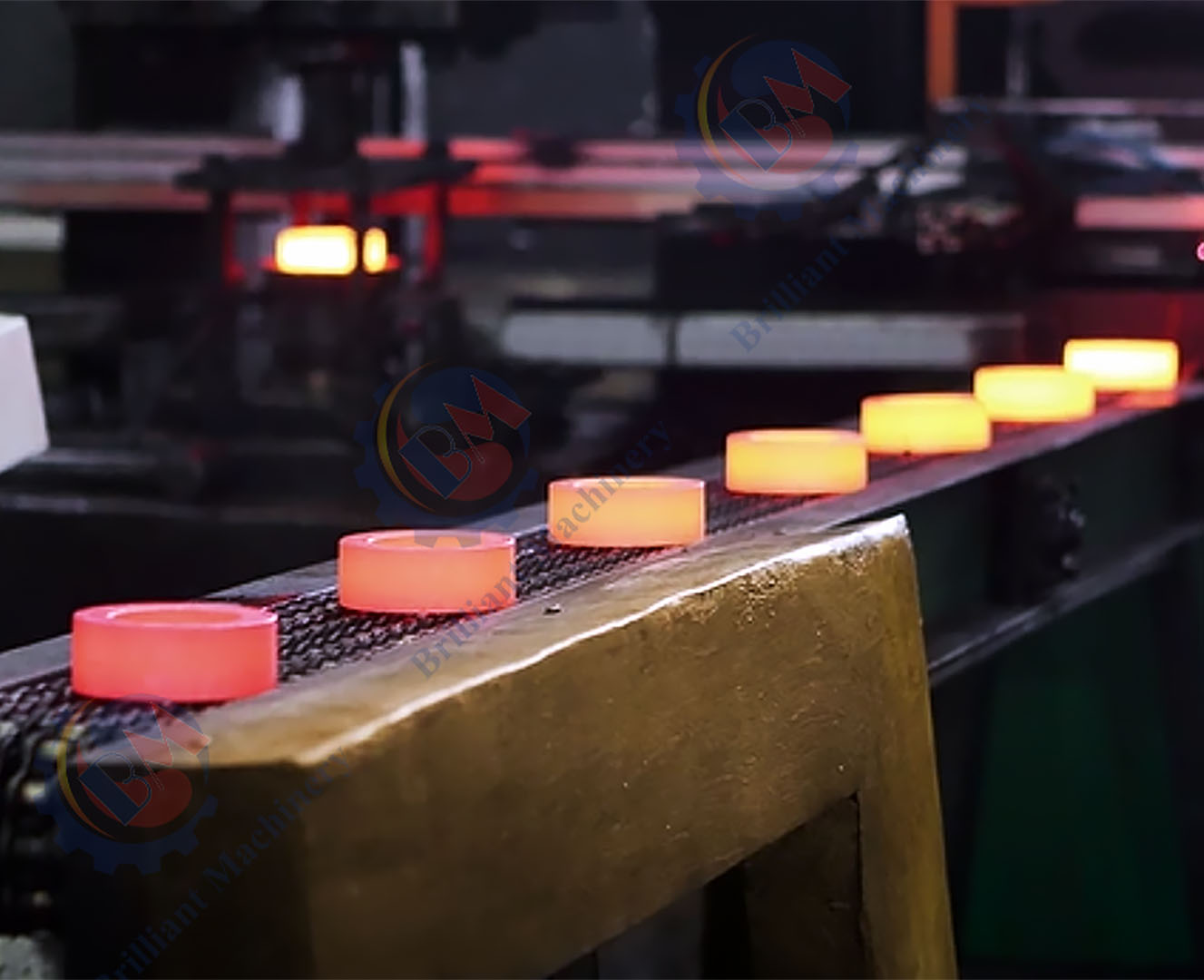
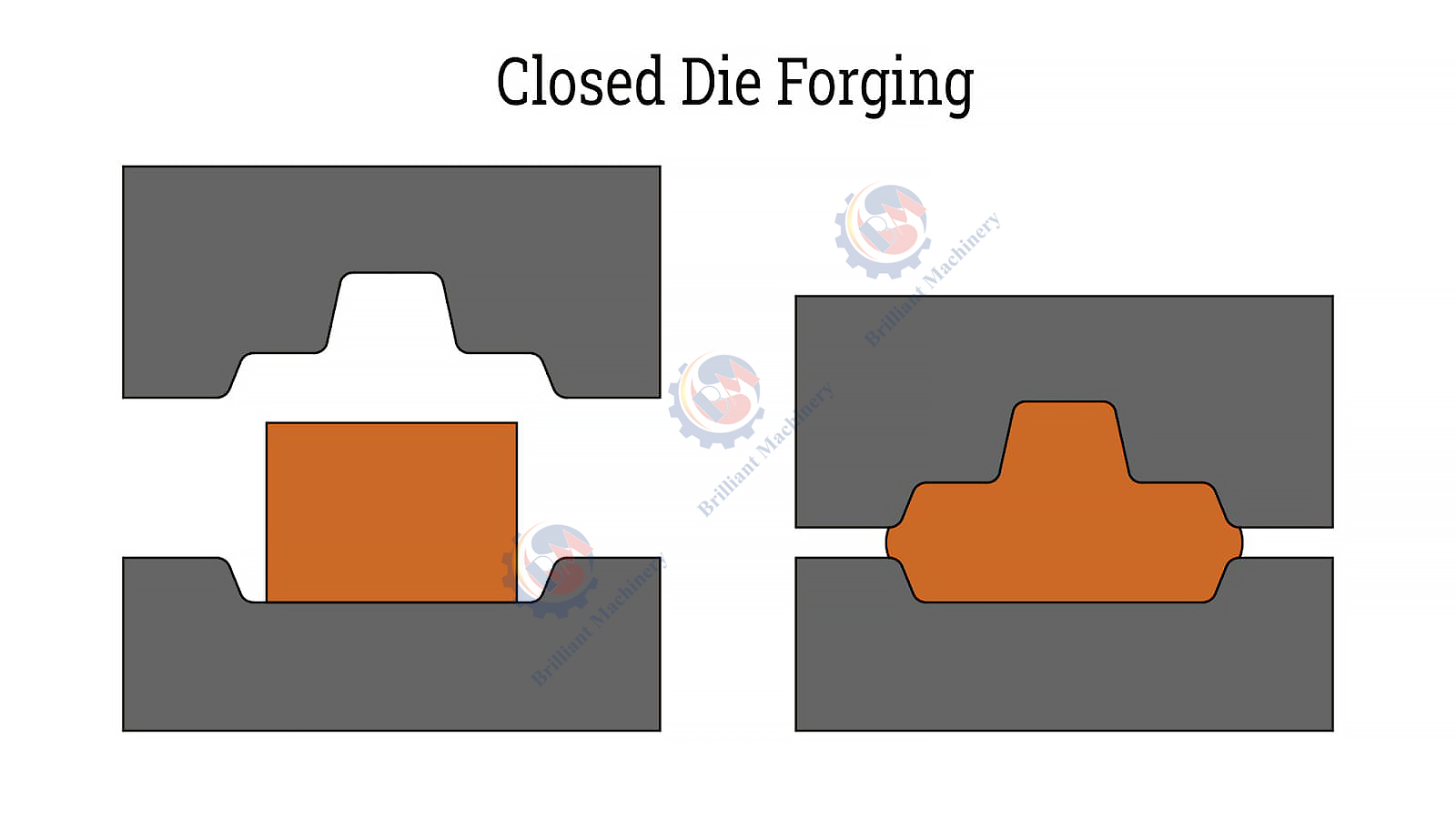
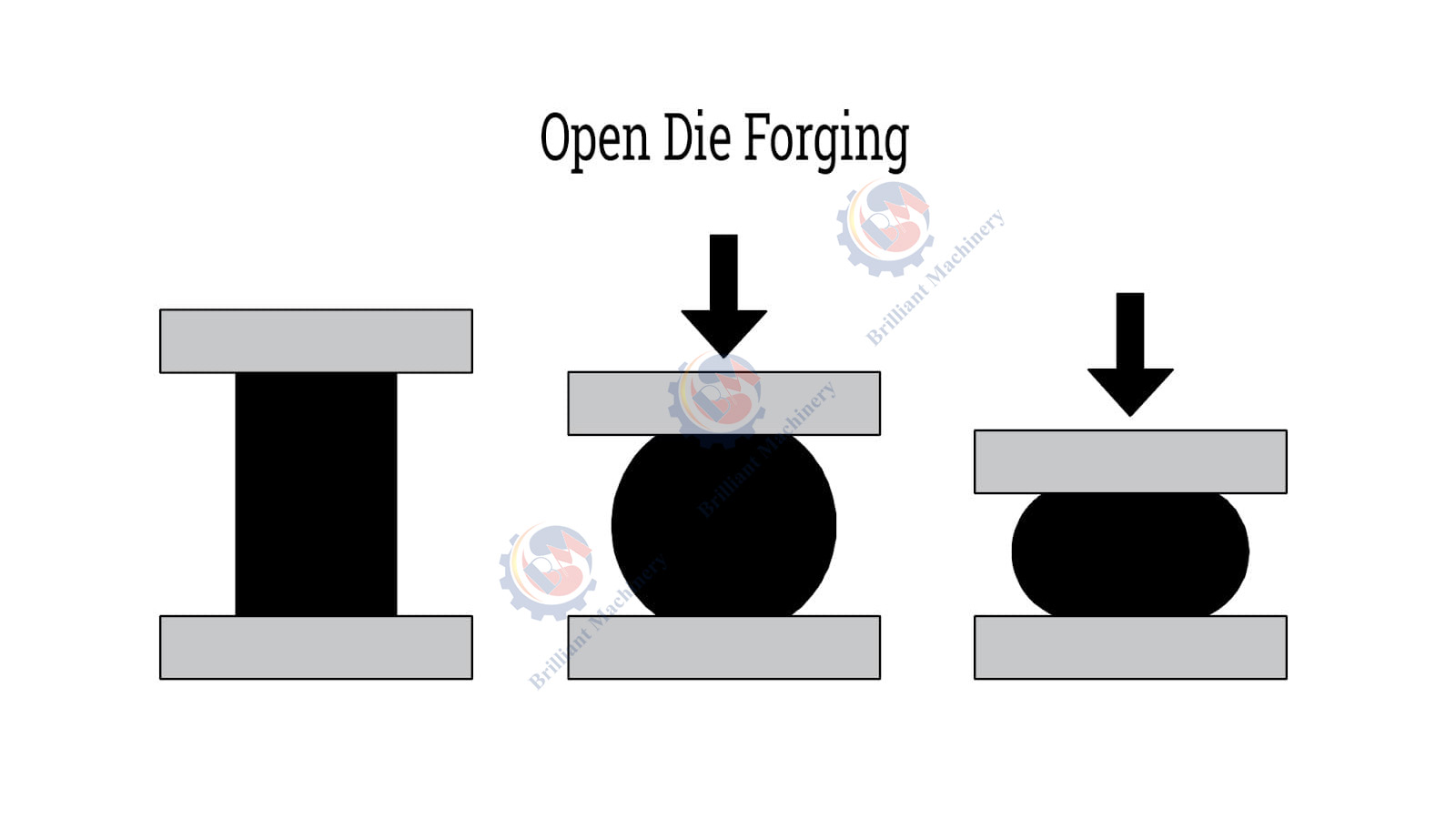
Forging involves shaping metal using localized compressive forces, usually applied through mechanical or hydraulic presses. The material is heated to a high temperature, making it malleable, and then forced into the shape of a die.
Key Features of Forging:
● Process: The metal is compressed under high pressure to create parts that are structurally sound and resistant to wear and fatigue.
● Material: Typically used with high-strength metals like steel, aluminum, and titanium.
● Applications:Common in Aerospace, automotive, oil and gas, and construction industries for components such as gears, shafts, and structural elements.
Advantages of Forging:
1. Strength: The grain structure of forged parts is more aligned, providing enhanced strength and fatigue resistance.
2. Durability: Forged parts are known for their superior mechanical properties and are less prone to failure under extreme stress.
3. High Precision: With the right tools, forging can achieve tight tolerances and intricate shapes.
What Is Casting?
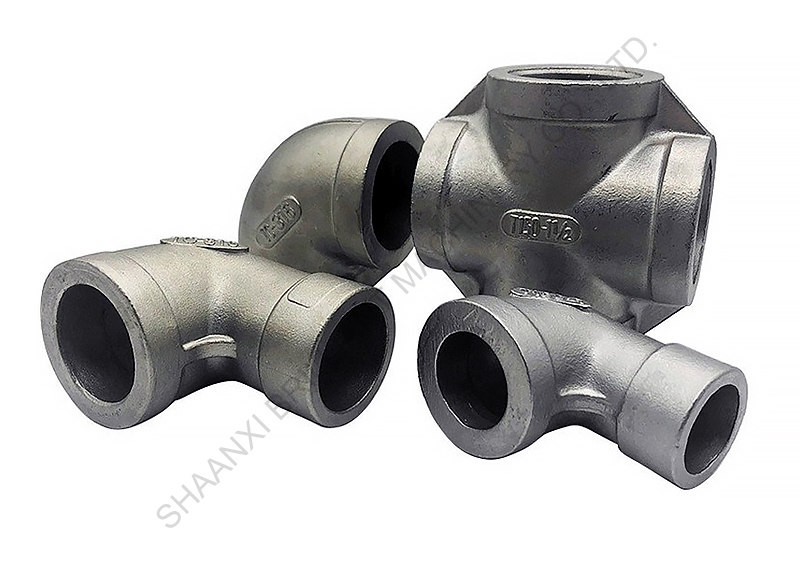
Casting involves pouring molten metal into a mold where it cools and solidifies into the desired shape. The casting process is ideal for creating complex geometries and parts that would be difficult to produce through forging or machining.
Key Features of Casting:
Process: Metal is melted and poured into a mold cavity. Once it cools and solidifies, the mold is removed, revealing the final part.
Material: Commonly used with metals such as iron, steel, aluminum, and alloys.
Applications: Used in a variety of industries for products like engine blocks, pump bodies, and complex machinery parts.
Advantages of Casting:
1. Complex Geometries: Casting is excellent for producing parts with intricate designs and hollow sections.
2. Low Material Waste: Because the mold is filled with molten metal, casting tends to use less material compared to other processes.
3. Cost-Effective for High Volumes: The initial cost for molds can be high, but the production costs decrease for large batches, making casting ideal for mass production.
Forging vs. Casting: A Direct Comparison
| Factor | Forging | Casting |
| Strength | Superior due to the aligned grain structure | May be less strong depending on the material and mold design |
| Complexity | Suitable for simpler shapes and parts | Excellent for complex and intricate geometries |
| Material Efficiency | More material wastage due to trimming and flash | Minimal material wastage, especially in sand casting |
| Production Time | Longer, especially for complex shapes and larger volumes | Shorter setup time for larger volumes |
| Cost-Effectiveness | Higher upfront costs but cost-effective for high-performance parts | More economical for high-volume, less complex parts |
| Applications | Gears, shafts, and other load-bearing components | Engine blocks, housings, pump bodies, and intricate machinery parts |
When to Choose Forging
Forging is the ideal choice when you need:
1. High Strength and Durability: Parts that will endure extreme stresses or fatigue, such as aerospace and automotive components.
2. Tight Tolerances: When precise dimensional control is required.
3. Small to Medium Production Runs: Forging is suitable for parts where the volume is relatively lower, and the added strength justifies the cost.
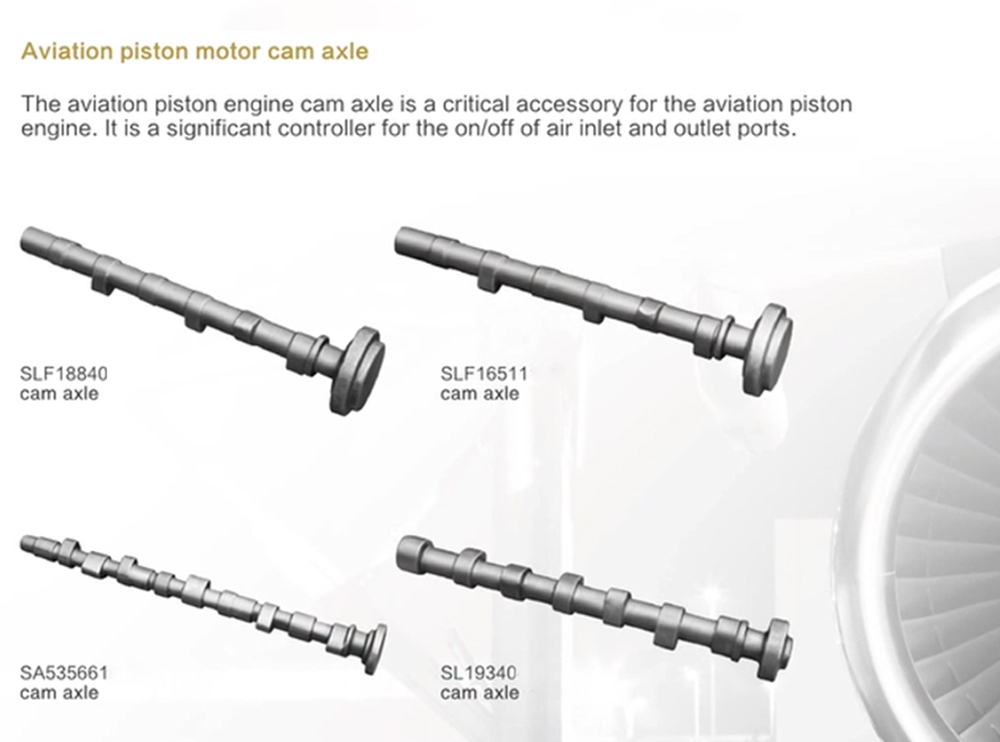
Examples of Forged Components:
● Crankshafts for engines
● Gears and pulleys
● Connecting rods
When to Choose Casting
Casting is the preferred method for parts requiring:
1. Complex Geometries: Parts with intricate designs, thin walls, or complex hollow sections.
2. Large Volumes: Casting becomes more economical as the production volume increases, particularly for mass-produced components.
3. Lower Strength Requirements: When strength and durability are not the most critical factors, and complexity is more important.
Examples of Cast Components:
● Engine blocks and cylinder heads
● Pump bodies and valve components
● Decorative or architectural parts
Shaanxi Brilliant’s Forging and Casting Expertise
At Shaanxi Brilliant Machinery, we have extensive experience with both forging and casting, enabling us to provide the right solutions for our clients’ diverse needs. Our ISO-certified processes ensure top-tier quality and precision, no matter the method used.
Our Forging Capabilities Include:
● Closed-die forging with high-strength metals.
● Advanced heat treatment for superior mechanical properties.
● Tight tolerance forging for critical applications.
Our Casting Capabilities Include:
● Sand casting, investment casting, and die casting for complex parts.
● Expertise in both ferrous and non-ferrous alloys.
● In-house mold design and rapid prototyping services.