In today’s fast-changing world of manufacturing, high-quality mechanical parts are more important than ever. That’s where Cold Forged Fittings really stand out. If you’ve read 'The Essential Guide to Cold Forged Fittings,' you know these fittings are not just tough and long-lasting, but they also help boost efficiency across a bunch of different industries. At Shaanxi Brilliant Machinery Co., Ltd., we’re all about pushing the boundaries of excellence and sustainability in manufacturing. We’re always innovating and refining our processes to make sure our Cold Forged Fittings meet top-notch standards and truly satisfy our customers. This article is meant to serve as a handy guide—breaking down the main benefits, applications, and industry insights about Cold Forged Fittings, and showing just how vital they are in moving mechanical engineering forward worldwide.
Understanding Cold Forged Fittings: A Comprehensive Overview
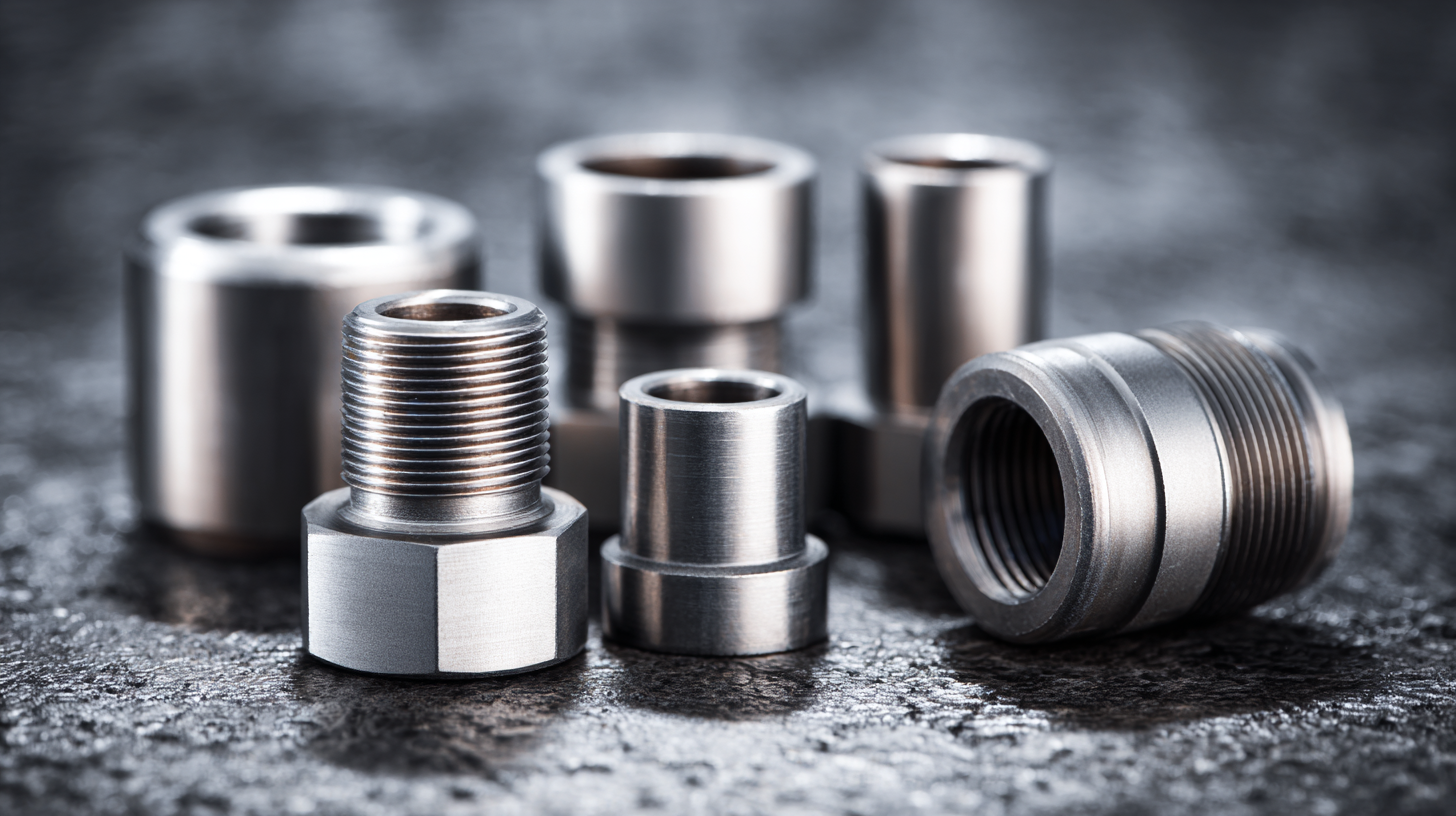
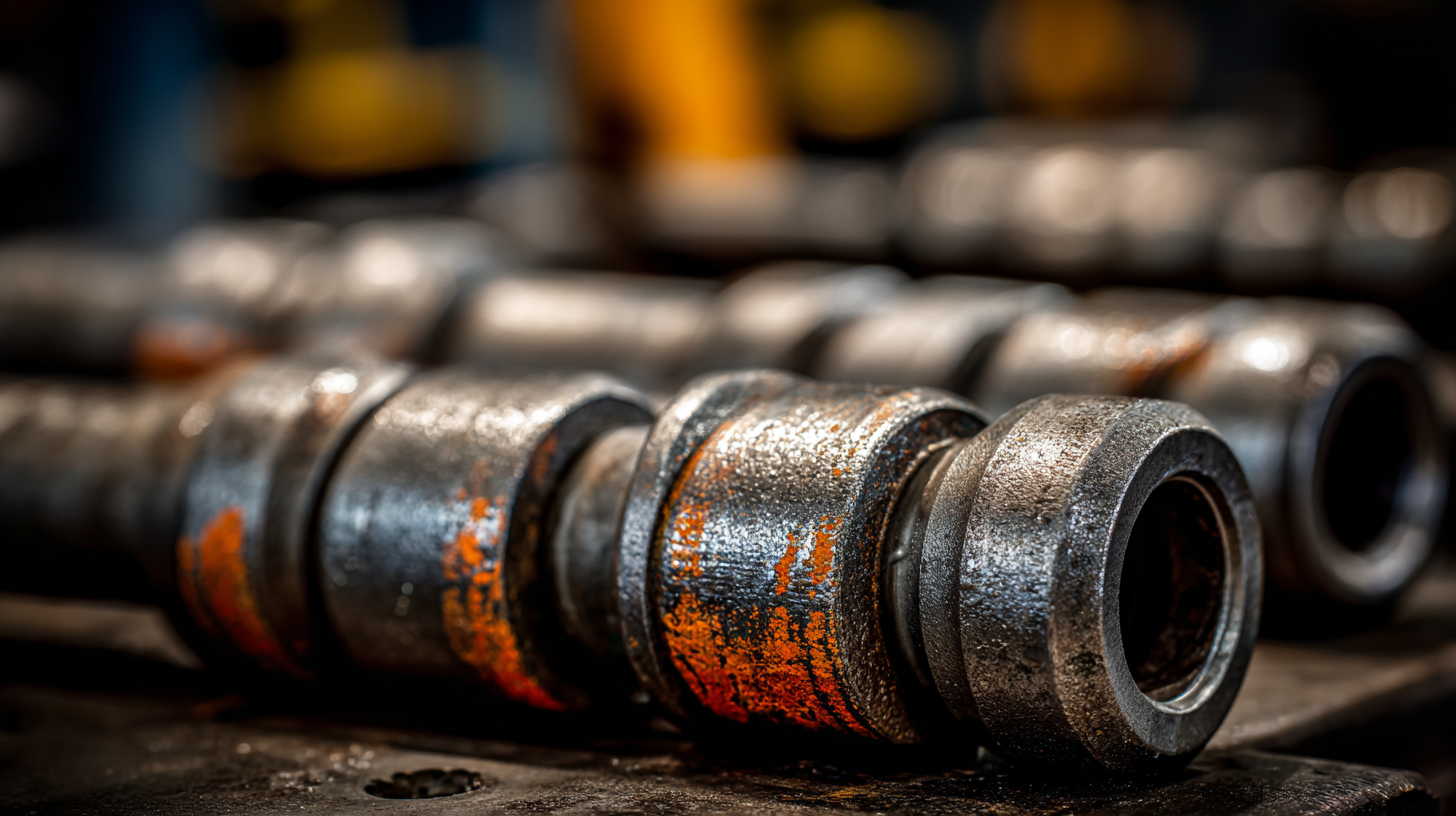 You know, cold forged fittings have really become pretty important in a bunch of industries these days. They’ve got some pretty cool advantages compared to the old-school fittings we used to rely on. Basically, they’re made by shaping metal at room temperature—no need for heating it up—which actually makes them stronger and more durable, thanks to a better grain structure. If you’re working with plumbing, oil and gas, or just Construction projects, knowing the ins and outs of cold forged fittings can really make a difference in how well they work.
Now, when you’re thinking about using these fittings, there are a few things to keep in mind. First off, pick the right material for what you’re doing—these fittings come in different alloys, so it’s not one-size-fits-all. Also, don’t underestimate the importance of proper installation. Using the right tools and techniques can totally impact how long your fittings last and how reliable they are over time. And of course, always buy from reputable brands—quality and standards really matter here.
Pro tip: Make sure to check the manufacturer’s guidelines for the right torque specs when installing. And don’t forget, doing regular maintenance checks can help catch any potential issues early, so your fittings keep performing well down the line.
Key Benefits of Cold Forged Fittings in Industrial Applications
You know, cold forged fittings are really gaining popularity across a bunch of industries, and it’s easy to see why. One big plus is their strength and durability—way better than regular fittings. Since the cold forging process lines up the metal’s grain structure, these fittings can handle higher pressures and temperatures. That makes them perfect for critical stuff in oil and gas, construction, or manufacturing. Oh, and because of how precisely they’re made, they fit almost perfectly, which helps reduce leaks and the risk of things going wrong.
And here’s another thing—I’ve always thought their production is pretty efficient. Less energy needed, and they waste less material, which is a win for sustainability. Industries love them because they last longer, cut down on maintenance costs, and minimize those annoying downtimes. Plus, these fittings are super versatile—they work with various piping systems, even in agriculture for irrigation, where ease of installation and better performance are total must-haves.
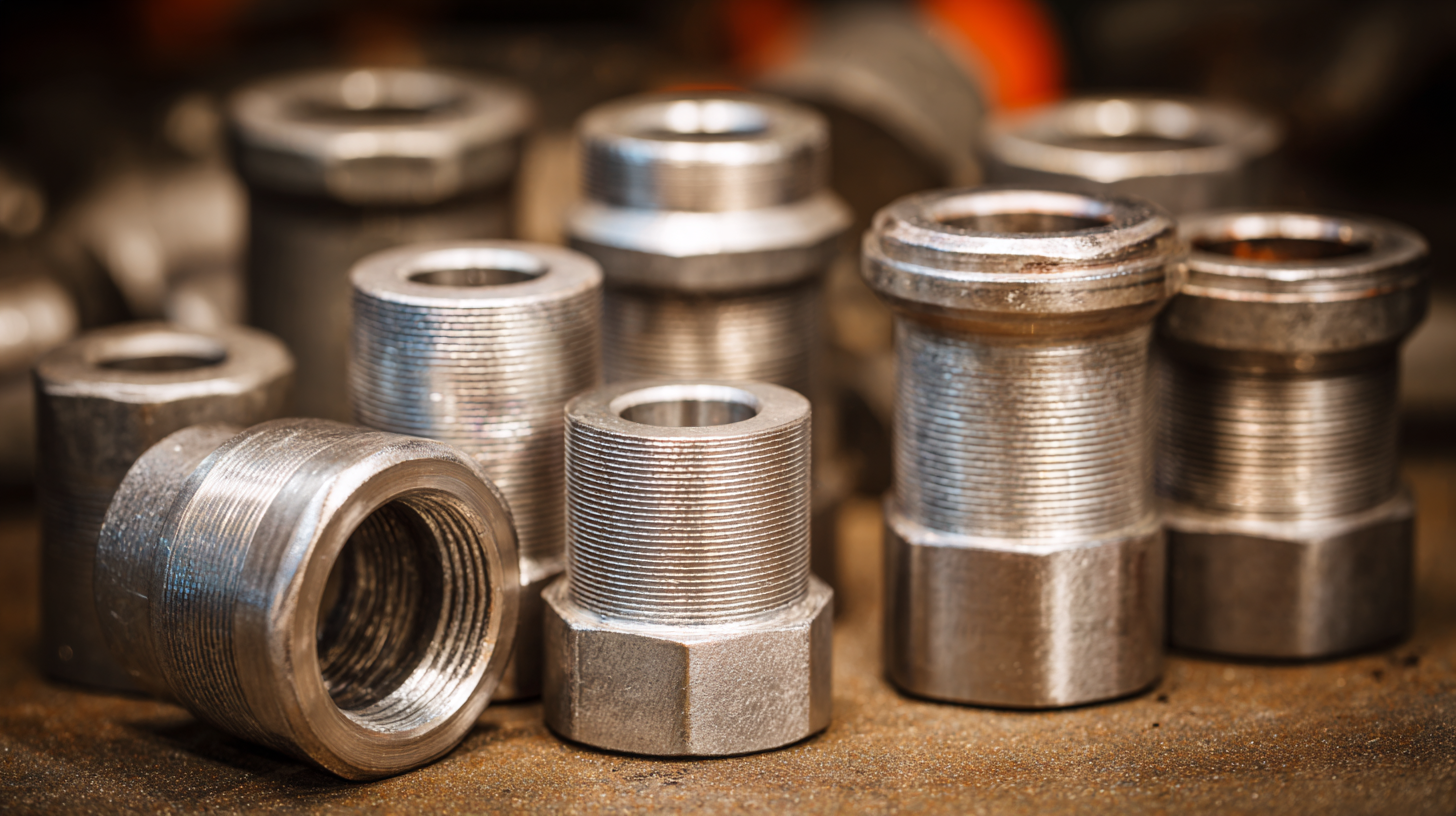
Exploring Various Applications of Cold Forged Fittings in Different Sectors
You know, cold forged fittings are really becoming a go-to in so many industries these days. They’re prized for their exceptional strength and long-lasting durability. Take the automotive world, for example — these fittings are pretty much essential for building sturdy yet lightweight cars. The cold forging process actually boosts the material’s properties, which means the parts can handle a lot of stress and don’t easily wear out, even over years of use. That’s why they’re perfect for critical parts like engine components and suspension systems that need to perform reliably under tough conditions.
Then, in construction, these fittings are a big deal too. They’re used a lot in piping and structural work because they can create tight, leak-proof connections. Nobody wants leaks, right? Plus, they’re super reliable and efficient, making everything run smoothly. And let’s not forget the oil and gas industry — cold forged fittings are absolutely vital for transporting high-pressure fluids through pipes. Thanks to the high-quality metals achieved during cold forging, these fittings can handle the tough environments they operate in, helping keep everything safe and running efficiently.
So, overall, cold forged fittings might not always be front and center in the spotlight, but they definitely play a big role in keeping things that we rely on every day working smoothly without a hitch.
Industry Insights: Trends and Innovations in Cold Forged Fitting Manufacturing
You know, the cold forged fittings industry is really going through some exciting changes right now. It's like everything's shifting—there are new innovations and trends that are actually reshaping how things are made. I recently came across a market report from MarketsandMarkets, and it’s pretty eye-opening: they’re saying the global cold forging market might hit around $8.2 billion by 2026. And get this—it's growing at a steady pace of about 5.6% CAGR since 2021. That kind of growth really shows how much demand there’s for lightweight yet sturdy parts across so many industries—automotive, aerospace, industrial manufacturing—you name it.
One thing that’s stood out is how more companies are jumping on the digital bandwagon. Stuff like automation and IoT isn’t just hype anymore; it’s actually making a difference—better precision, faster production, and cutting down costs. And I also read a study from Smithers Pira that pointed out this big shift towards more eco-friendly manufacturing practices. Companies aren’t just about profit anymore; they’re seriously investing in green forging methods. Recyclable materials and efforts to lower carbon footprints are becoming a big deal, and honestly, it’s pushing the whole sector forward in exciting ways.
A Step-by-Step Guide to Selecting the Right Cold Forged Fitting for Your Needs
When you're picking out the right cold forged fitting for your project, there are a few key things you should keep in mind to make sure it fits your needs perfectly. First off, think about what exactly the fitting will be used for—that’s super important. Cold forged fittings are pretty popular across different industries because they’re strong and last a long time. It pays to understand the environmental conditions they’ll be in, like temperature and pressure, so you can choose something that really holds up under the specific conditions you’re dealing with.
Then, you’ll want to look at compatibility with the materials you’re working with. These fittings are usually made from metals like carbon steel, stainless steel, or alloyed steel, and each type has its own perks. For example, stainless steel is great if you’re in a corrosive environment, while carbon steel is often preferred for high-pressure stuff because of its toughness. If you’re not totally sure about what to pick, chatting with pros—like the team at Shaanxi Brilliant Machinery Co., Ltd.—can be a huge help. They can offer some solid advice on materials and even fresh, innovative ideas to make sure your project not only works well but also stays sustainable. It’s all about getting the right fit for your specific needs while keeping quality in check.
Maintenance Tips for Ensuring Longevity of Cold Forged Fittings
When you're focusing on making cold forged fittings last longer, there are a few key practices that can really make a difference. A report by the American Society for Testing and Materials (ASTM) points out that if you install your fittings correctly and stick to regular maintenance, they can actually last up to 30% longer. That's a pretty big deal, right? It basically means setting aside time for check-ups—looking out for any signs of wear, corrosion, or leaks—so you can catch problems early before they turn into costly repairs or, worse, a total failure.
Cleaning is another super important step. The folks at the International Association of Plumbing and Mechanical Officials (IAPMO) recommend using gentle, non-abrasive cleaners—no harsh scrubs—that could damage the surface. Also, don’t forget about lubrication, especially on threaded fittings. It not only makes installation easier but also helps protect against galling and seizing, which can really mess up the fitting's lifespan. Bottom line is: giving your fittings a little TLC with regular checks and proper care can save you quite a bit in the long run—no one wants unexpected downtimes or costly replacements, especially if your business relies on these fittings working smoothly all the time.
Enhancing Vehicle Performance: The Impact of Hot-Forged Automotive Linkage Rods on Durability and Efficiency in Modern Automotive Engineering
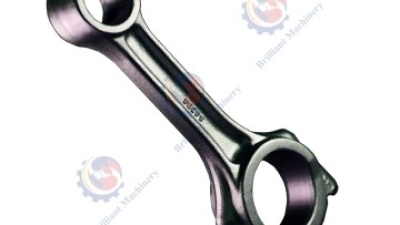
The automobile industry is continually evolving, with manufacturers seeking innovative solutions to enhance vehicle performance and reliability. One significant advancement lies in the use of hot-forged automotive linkage rods, which are pivotal for the durability and efficiency of modern vehicles. By incorporating advanced hot-forging technology, these linkage rods ensure precise mechanical motion, which is essential for the optimal operation of critical systems such as steering, suspension, and drivetrain.
Research indicates that vehicles equipped with high-quality hot-forged linkage rods experience a 25% reduction in operational wear under extreme conditions, enhancing their lifespan and reducing maintenance costs. The superior strength and abrasiveness of these rods make them particularly suitable for high-duty, high-performance applications, allowing vehicles to withstand challenging environments without compromising safety or efficiency. Whether for original equipment manufacturing (OEM) or aftermarket solutions, the reliability of hot-forged rods positions them as a preferred choice for automakers aiming to exceed performance expectations.
Furthermore, industry reports highlight that utilizing superior materials and manufacturing techniques can improve the overall vehicle dynamics by up to 15%. Hot-forged linkage rods not only contribute to the precise alignment and connectivity of automotive components but also play a crucial role in reducing noise, vibration, and harshness (NVH) levels, leading to a more enjoyable driving experience. As automotive engineering continues to innovate, the adoption of these robust components will undoubtedly lead to significant improvements in vehicle performance and reliability.
FAQS
: Cold forged fittings are components shaped at room temperature through a manufacturing process, resulting in higher strength and durability due to a refined grain structure.
Cold forged fittings are widely used in plumbing, oil and gas, construction, automotive, aerospace, and industrial manufacturing sectors.
The chosen material must align with specific application requirements, with common options including carbon steel, stainless steel, and alloyed steel, each offering different benefits based on environmental conditions.
Proper installation using appropriate tools and techniques crucially affects the longevity and reliability of the fittings in their applications.
Significant trends include the adoption of digital technologies like automation and IoT, as well as a shift towards sustainable manufacturing practices, including the use of recyclable materials.
It's essential to source fittings from reputable manufacturers to guarantee quality and compliance with industry standards.
Factors to consider include the specific application, environmental conditions (temperature and pressure), and material compatibility.
Stainless steel fittings are particularly suitable for corrosive environments due to their resistance to rust and corrosion.
The global cold forging market is expected to reach USD 8.2 billion by 2026, growing at a CAGR of 5.6% from 2021, driven by demand for lightweight and durable components.
Regular maintenance checks can help identify potential issues early, contributing to the long-term effectiveness of cold forged fittings in operational systems.
Conclusion
Cold forged fittings are truly a key part of all sorts of industrial work. They've got plenty of perks—like being super strong, fitting together just right, and often saving companies some money. Getting to know all the benefits of these fittings is pretty important if you're in a field that needs reliable gear. Whether it's cars, construction, or other industries, cold forged fittings really come through and can be tailored to what each sector needs.
Lately, industry insiders are buzzing about new trends and innovations shaping how these fittings are made. It’s all about continuous improvements and keeping things sustainable. Companies like Shaanxi Brilliant Machinery Co., Ltd. are really pushing to stay ahead by sticking to high quality and making sure customers are happy. By carefully choosing the right fittings and keeping up with regular maintenance, businesses can keep things running smoothly and make sure their equipment lasts longer and works better.